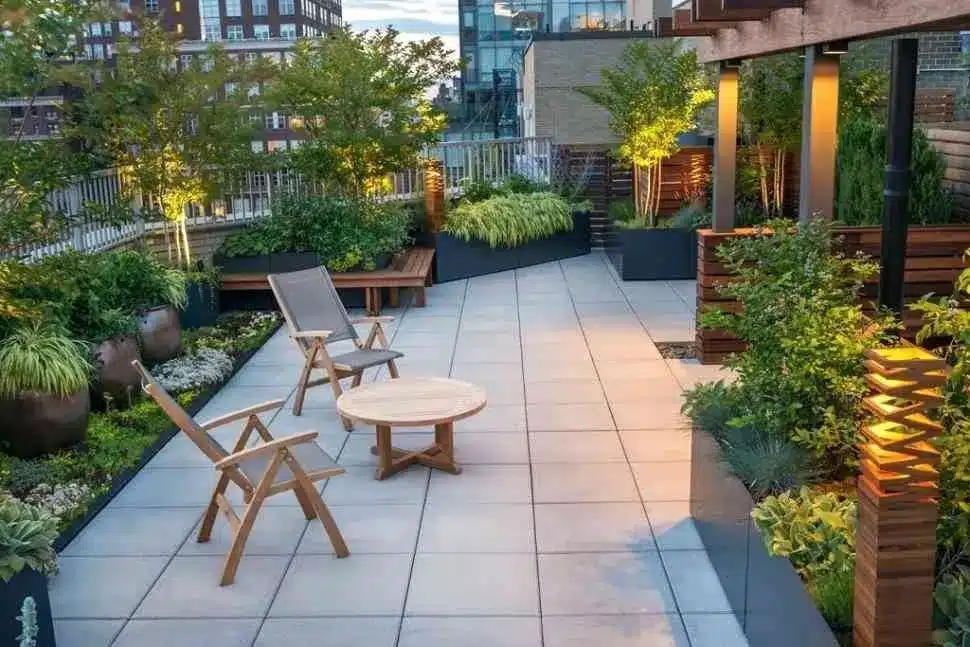
Landscaping can be a rewarding way to enhance your property, but maintaining a yard can be time-consuming. For busy homeowners, low-maintenance landscaping is an ideal solution. It focuses on creating attractive, functional outdoor spaces that require minimal upkeep while still delivering visual appeal. With careful planning and smart plant selection, a low-maintenance yard can thrive year-round without constant attention.
Principles of Low-Maintenance Landscaping
- Choose Resilient Plants:
The foundation of low-maintenance landscaping is selecting plants that require little care. Native species and drought-tolerant plants are particularly effective, as they adapt to local conditions, resist pests, and need less water. Evergreen shrubs, ornamental grasses, and perennials reduce the need for frequent pruning and replanting. - Incorporate Mulch and Ground Covers:
Mulching garden beds and planting ground covers reduces weed growth, retains soil moisture, and improves soil quality. Organic mulch like bark or compost also slowly enriches the soil while cutting down on watering frequency. Ground covers such as creeping thyme or clover create dense foliage that suppresses weeds naturally. - Reduce Lawn Areas:
Traditional grass lawns often require regular mowing, fertilization, and irrigation. Replacing sections of turf with hardscapes, ground covers, or native plant beds reduces maintenance and conserves water. For lawns that remain, consider low-growing, drought-resistant grass varieties that need less care. - Use Hardscape Features:
Hardscapes such as patios, walkways, retaining walls, and raised beds add structure while minimizing maintenance. Paved areas and stone paths require minimal care and reduce the number of plants that need regular attention. Integrating seating, planters, or storage into hardscape designs maximizes functionality. - Automate Irrigation:
Installing drip irrigation or smart sprinkler systems ensures plants receive consistent water without manual effort. Timers, moisture sensors, and app-controlled systems help conserve water while promoting healthy growth.
Plant Selection for Low-Maintenance Landscapes
- Evergreen Shrubs: Provide year-round greenery and structure without frequent pruning.
- Ornamental Grasses: Require little care and add movement and texture.
- Perennials: Bloom annually with minimal replanting and care.
- Succulents and Cacti: Perfect for hot, dry climates and require very little water.
- Native Flower Beds: Support pollinators and thrive with minimal maintenance.
Design Tips for Easy Care
- Plan for Growth: Avoid overcrowding plants to reduce pruning and maintenance issues.
- Cluster by Water Needs: Group plants with similar watering requirements to simplify irrigation.
- Layering: Place taller plants in the back and shorter ones in front to create depth while minimizing trimming needs.
- Minimize Turf: Reduce lawn size where possible to cut down on mowing and watering.
Seasonal Low-Maintenance Tips
- Spring: Refresh mulch, fertilize perennials, and prune lightly as needed.
- Summer: Water deeply in the morning or evening and check for pests.
- Fall: Clean leaves, prepare plants for winter, and add compost to beds.
- Winter: Protect sensitive plants from frost and plan spring planting or updates.
Benefits of Low-Maintenance Landscaping
Low-maintenance landscaping saves time, reduces costs, and keeps outdoor spaces attractive year-round. It promotes sustainability by conserving water and reducing chemical use. Homeowners can enjoy their yard without the stress of constant upkeep, turning it into a relaxing retreat instead of a chore.
Conclusion
Low-maintenance landscaping proves that beautiful outdoor spaces don’t require constant effort. By carefully selecting resilient plants, incorporating hardscapes, automating irrigation, and using smart design principles, homeowners can create a yard that thrives with minimal intervention.
Whether it’s a small urban garden or a large suburban yard, low-maintenance landscaping offers lasting beauty, sustainability, and convenience. With thoughtful planning and care, your landscape can remain vibrant, functional, and inviting, allowing you to enjoy your outdoor space without the constant burden of maintenance.