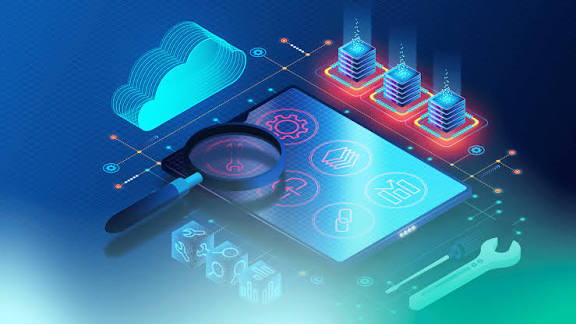
Organizations across industries must follow strict rules related to data protection, financial reporting, customer information, and operational processes. However, legacy applications often make compliance management difficult because they lack modern monitoring, reporting, and security capabilities. Working with an experienced legacy application modernization company can help businesses transform outdated applications into more transparent, secure, and adaptable systems that support modern compliance requirements.
Why Legacy Applications Create Compliance Challenges
Many older applications were developed before today’s regulatory expectations became common. While these systems may continue to support important business activities, they often lack the features needed for effective compliance management.
Common challenges include:
- Limited activity tracking
- Difficult audit preparation
- Incomplete reporting capabilities
- Manual compliance documentation
- Weak access management
- Outdated security controls
- Poor visibility into data usage
These limitations can increase the effort required to demonstrate compliance and respond to audits.
Improving Audit Trail Management
Audit trails are essential for understanding how information is created, modified, and accessed. Legacy systems may provide limited tracking capabilities or store activity records in formats that are difficult to analyze.
Modernization can introduce stronger logging and monitoring capabilities. Organizations can create clearer records of important system activities, making it easier to review operational events when required.
Better audit visibility can reduce the time teams spend collecting information during compliance reviews.
Strengthening Access Control
Controlling who can access business information is a key part of many compliance frameworks. Older applications may rely on outdated user management methods or broad access permissions.
A modernized application environment can support more structured access controls based on roles, responsibilities, and business requirements.
This helps organizations provide appropriate access while reducing unnecessary exposure of sensitive business information.
Automating Compliance Workflows
Many compliance activities require regular reviews, approvals, documentation, and reporting.
Legacy applications may depend on manual processes that are difficult to track and maintain.
Modernized systems can introduce automated workflows for tasks such as approval requests, policy reviews, record updates, and compliance checks.
Automation can improve consistency and reduce the risk of important activities being overlooked.
Improving Data Management Practices
Compliance often depends on knowing where information exists, how it is used, and how long it should be retained.
Legacy applications may store data across multiple databases or outdated formats, making information management more complicated.
Modernization can help organizations organize data more effectively and create clearer connections between applications and information sources.
This supports better data governance and more efficient compliance processes.
Making Regulatory Reporting Easier
Organizations may need to generate reports for internal reviews, customers, auditors, or regulatory bodies.
Legacy reporting systems can make this process slow because information may need to be collected manually from multiple sources.
Modernized applications can improve reporting capabilities by creating more structured access to relevant information.
This allows teams to prepare accurate reports more efficiently.
Supporting Security Improvements
Security expectations continue to evolve as technology environments become more connected. Legacy applications may contain outdated components or security limitations that are difficult to address.
Modernization can provide opportunities to improve application architecture, update dependencies, strengthen integrations, and introduce better security practices.
A stronger application foundation can help organizations manage security and compliance requirements more effectively.
Preparing for Future Regulatory Changes
Compliance requirements are not static. Businesses may need to adapt when regulations change or when they enter new markets with different requirements.
Rigid legacy applications can make these adjustments expensive and time-consuming.
A modernized architecture provides greater flexibility. Organizations can update workflows, introduce new controls, and modify reporting capabilities without making extensive changes to the entire application.
Conclusion
Legacy applications can create significant compliance challenges through limited visibility, outdated controls, manual processes, and difficult reporting. Modernization provides a practical path to improve these areas while preserving important business functionality.
By partnering with a reliable legacy application modernization company, organizations can strengthen audit capabilities, improve access control, automate compliance workflows, enhance reporting, and create a technology environment that is better prepared for changing regulatory demands.
Modernizing legacy applications is not only a technology upgrade — it is a strategic step toward building more secure, transparent, and compliant business operations.