Choosing the right electric bike is not always about finding the most powerful model or the lowest price. Sometimes, the decision comes down to practical considerations such as wheel size, rider height, storage space, and everyday convenience. This is particularly true when comparing two affordable fat-tire electric bikes from YVY: the compact K16 and the budget-oriented K20 Lite.
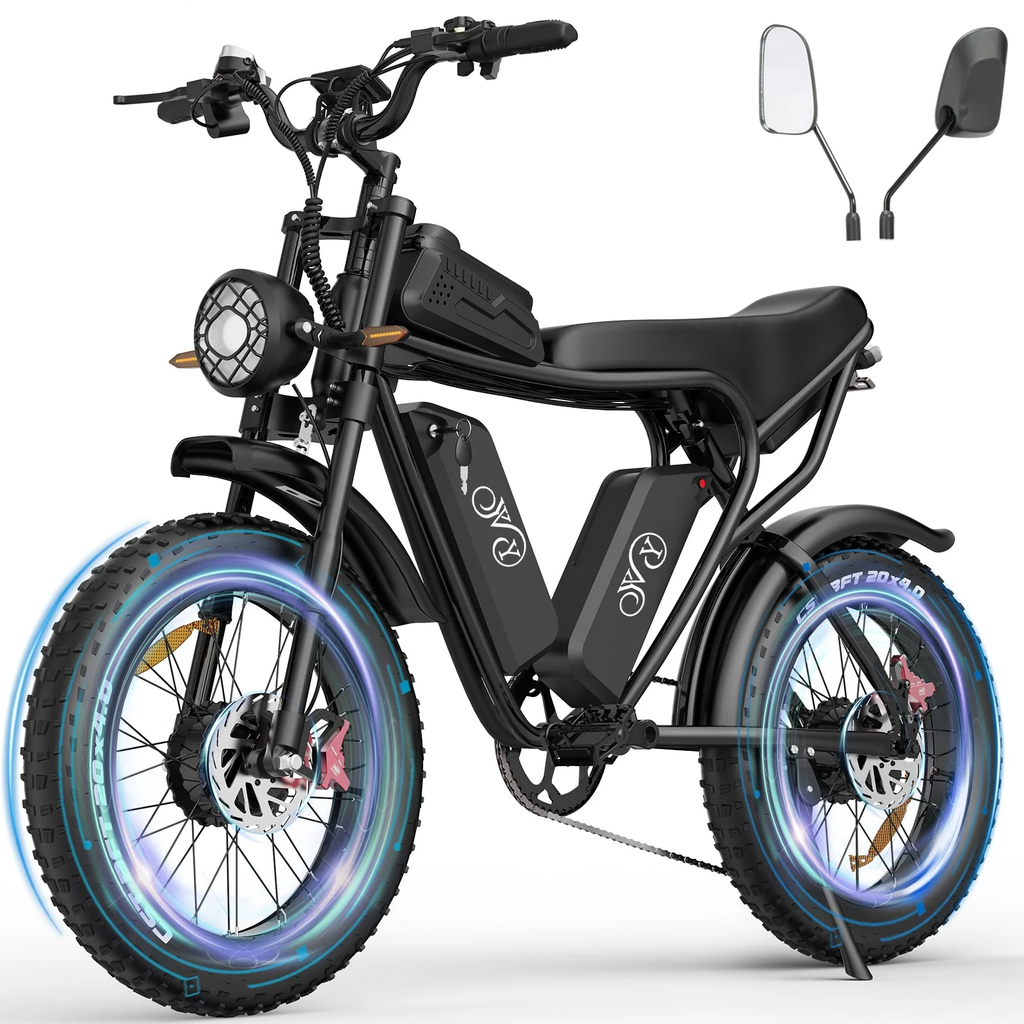
The YVY K16 vs K20 Lite comparison highlights two different approaches to electric biking. The K16 focuses on compact dimensions and smaller 16-inch wheels, making it an interesting option for riders who prioritize maneuverability and storage convenience. The K20 Lite, meanwhile, offers a 20-inch fat-tire configuration for buyers looking for an affordable everyday electric bike.
Both models have their own advantages, but which one makes more sense for your lifestyle? Understanding their differences can help you choose a model that offers the right combination of comfort, practicality, and value.
Understanding the YVY K16 and K20 Lite
The YVY K16 is designed around a compact fat-tire platform. Its 16-inch wheels and smaller overall proportions make it an interesting choice for riders who find larger electric bikes difficult to handle or store. Its listed configuration includes a 1500W motor and a removable 48V 20Ah battery.
The K20 Lite takes a different approach by prioritizing affordability. It features a 20-inch fat-tire platform and a 1000W brushless motor. Its listed battery configuration is 48V 15.6Ah, making it an entry-level option for buyers who want a practical electric bike without investing in a more expensive model.
Both models are designed for versatile everyday riding. However, their differences in wheel size, motor power, and battery capacity make them suitable for different types of buyers.
The K16 focuses on compactness and additional advertised motor power, while the K20 Lite emphasizes affordability and a larger wheel platform.
16 Inch vs 20 Inch YVY Ebike: Why Wheel Size Matters
Wheel size has a significant influence on how an electric bike feels and performs. When comparing a 16 inch vs 20 inch YVY ebike, buyers should consider handling, stability, obstacle clearance, and overall comfort.
The K16’s 16-inch wheels create a more compact riding platform. Smaller wheels can make an electric bike feel responsive at lower speeds, particularly when navigating narrow spaces, making tight turns, or moving through crowded urban areas.
Its compact proportions may also make mounting and stopping more manageable for some riders. However, actual comfort depends on frame geometry, saddle height, handlebar reach, and individual body proportions.
The K20 Lite’s 20-inch wheels offer a different riding experience. Larger wheels generally roll over small road imperfections and uneven surfaces more smoothly than smaller wheels with similar tire construction.
For riders who regularly encounter rough pavement, gravel paths, or mixed urban surfaces, the additional wheel diameter may be beneficial.
Neither wheel size is automatically better. The right choice depends on your riding environment, personal preferences, and comfort requirements.
Rider Height and Comfort: Which Model Fits Better?
Rider fit should be one of the first considerations when purchasing an electric bike. A model that looks attractive online may not necessarily provide the most comfortable riding position.
The K16’s compact proportions make it worth considering for shorter riders who prefer a smaller bicycle. Its smaller wheel platform can contribute to a more compact overall design.
However, wheel diameter alone does not determine whether a bicycle fits a particular rider. Standover height, saddle adjustment, handlebar reach, and frame geometry are equally important.
The K20 Lite offers a 20-inch wheel configuration that may feel more natural to riders who prefer a slightly larger riding platform.
Before purchasing either model, check YVY’s current recommended rider-height guidance and compare it with your measurements. If possible, test the saddle height and handlebar position before making a final decision.
Comfort should always take priority over choosing a model simply because it has smaller or larger wheels.
Storage and Maneuverability: Where the K16 Has an Advantage
Storage is an important consideration for electric bike owners, especially those living in apartments or homes with limited garage space.
The K16’s compact design can make everyday storage more convenient. Its smaller wheels and overall proportions may help it fit into tighter spaces, including apartment storage areas and smaller garages.
Moving a compact bicycle through narrow doorways or crowded storage areas can also be easier. This is particularly useful for riders who need to move their electric bike regularly.
The K20 Lite has a larger overall footprint because of its 20-inch wheels. While it remains a relatively compact fat-tire e-bike compared with many full-sized alternatives, it generally requires more storage space than the K16.
For someone with a dedicated garage, this difference may not matter much. However, apartment residents and riders who frequently transport their bicycles should consider the K16’s compact proportions.
Compact vs Budget Ebike: Which Offers Better Value?
When comparing a compact vs budget ebike, it is important to understand what you are paying for.
The K16 focuses on compact proportions, a smaller wheel platform, and a higher advertised motor rating. These features make it attractive to buyers who prioritize rider fit, storage convenience, and additional motor capability.
The K20 Lite focuses on affordability. Its 20-inch wheels provide a more conventional fat-tire configuration, while its lower motor rating and smaller listed battery capacity distinguish it as a budget-oriented option.
If you are still deciding between these two models, the K16 or K20 Lite comparison can help you evaluate which configuration better matches your riding habits, storage requirements, and purchasing budget.
For someone who needs a bicycle that fits into a limited storage area, paying more for the K16 may be worthwhile.
On the other hand, someone with a limited purchasing budget who prefers 20-inch fat tires may find the K20 Lite more appealing.
Value is not simply about choosing the cheapest model. It is about selecting the bicycle that provides the features you will actually use.
Motor Power and Everyday Performance
Motor power is another important difference between these two models.
The K16 is listed with a 1500W brushless motor, while the K20 Lite uses a 1000W brushless motor. This gives the K16 a higher advertised motor-power rating.
For riders who regularly encounter hills or want stronger motor assistance, the K16’s configuration may be attractive.
The K20 Lite, however, is designed around affordability rather than maximum advertised motor output. Its 1000W motor can be a practical option for everyday commuting and recreational riding, particularly on relatively flat routes.
It is worth remembering that advertised wattage does not tell the entire performance story. Controller settings, torque, battery voltage, rider weight, terrain, and local operating restrictions all influence the actual riding experience.
Buyers should also distinguish between rated and peak motor power when reviewing specifications.
Battery Capacity and Riding Distance
Battery capacity is particularly important for people who use electric bikes regularly.
The K16 is listed with a removable 48V 20Ah battery, while the K20 Lite is listed with a 48V 15.6Ah battery.
The K16 therefore has a larger advertised battery capacity, which may provide an advantage for riders who want more energy available between charging sessions.
The K20 Lite’s smaller battery capacity is consistent with its budget-oriented positioning. For riders with shorter daily commutes and convenient access to charging, this configuration may be sufficient.
However, actual riding range depends on several factors, including speed, pedal-assist level, terrain, temperature, rider weight, tire pressure, and riding habits.
A larger battery does not guarantee a specific distance. Buyers should check the latest manufacturer range estimates and product specifications before making a purchasing decision.
Who Should Choose the YVY K16?
The YVY K16 is worth considering if compactness and rider fit are your main priorities.
It may be particularly suitable for:
- Shorter riders who prefer a compact bicycle.
- Apartment residents with limited storage space.
- Riders who frequently move or transport their electric bikes.
- People who prefer a smaller wheel configuration.
- Riders looking for a higher advertised motor-power rating.
- Buyers who want a larger listed battery capacity than the K20 Lite.
Its combination of 16-inch fat tires, a 1500W motor, and a removable 48V 20Ah battery gives it a distinctive position in YVY’s electric bike lineup.
Who Should Choose the YVY K20 Lite?
The K20 Lite is a sensible option for buyers who prioritize affordability and prefer a larger wheel configuration.
It may be suitable for:
- Budget-conscious electric bike buyers.
- Riders who prefer 20-inch fat tires.
- Commuters with relatively short daily routes.
- People who have sufficient storage space.
- Riders who primarily travel on flat or moderately uneven roads.
- First-time e-bike buyers looking for a lower-cost entry point.
Its 20-inch fat tires and 1000W brushless motor make it an accessible option for people who want a practical electric bike without paying for additional capabilities they may not need.
Important Things to Check Before Buying
Before choosing between these two models, take a few minutes to review the current product listings.
First, check the recommended rider-height range and frame measurements. Wheel size alone cannot establish whether a bicycle will fit comfortably.
Second, compare battery capacity and charging requirements. This is especially important if you plan to use your electric bike for commuting or longer recreational rides.
Third, review the braking systems. Mechanical and hydraulic brakes have different maintenance requirements and braking characteristics, so check the exact equipment supplied with your chosen model.
Finally, consider the total cost, including accessories, shipping, warranty coverage, and potential maintenance expenses.
These details can help you avoid choosing a bicycle based on a single attractive specification.
Final Verdict: YVY K16 or K20 Lite?
The decision between the YVY K16 and K20 Lite ultimately comes down to your priorities.
The K16 is the stronger consideration for riders who need a compact electric bike, have limited storage space, or prefer a smaller wheel platform. Its listed 1500W motor and 48V 20Ah battery also give it higher advertised motor power and greater battery capacity than the K20 Lite.
The K20 Lite is more attractive to budget-conscious buyers who prefer 20-inch fat tires and want an affordable electric bike for everyday transportation and recreational use.
Neither model is the universal winner. A shorter rider living in an apartment may find the K16 more practical, while a buyer with a limited budget and enough storage space may prefer the K20 Lite.
Before making your final decision, review the latest specifications and pricing on YVY’s official product pages.
The best choice is the electric bike that fits your body, your available storage space, your riding habits, and your budget. Once those factors are clear, choosing between compact design and affordable pricing becomes much easier.