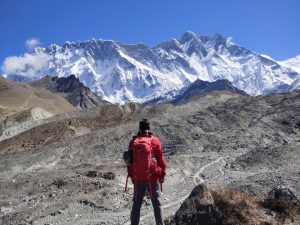
Manaslu Circuit Trekking is an epic journey through one of Nepal’s most spectacular and remote mountain regions. Centered around the majestic Mount Manaslu—standing tall at 8,163 meters and the eighth-highest mountain in the world—this trekking circuit offers a dramatic blend of natural beauty, cultural heritage, and physical challenge. Unlike the crowded Everest and Annapurna trails, the Manaslu Circuit is relatively untouched, making it a top choice for adventure seekers looking for a quieter and more authentic experience.
What is Manaslu Circuit Trekking?
The Manaslu Circuit Trek is a high-altitude trekking route that encircles Mount Manaslu, taking you through deep river valleys, alpine forests, traditional Tibetan-style villages, and eventually across the stunning Larkya La Pass at 5,160 meters. The trek usually begins in Soti Khola and ends in Dharapani, connecting to the Annapurna Circuit at its conclusion.
Due to its restricted status, the Manaslu region requires special permits and must be trekked with a registered guide. This has helped preserve its cultural authenticity and environmental integrity. Trekkers are rewarded with awe-inspiring views of Himalayan giants such as Manaslu, Himalchuli, and Ngadi Chuli, along with deep cultural immersion.
Key Highlights of Manaslu Circuit Trekking
1. Unspoiled Landscapes
The trail offers a constantly shifting landscape—from lush lowland terraces and subtropical forests to barren alpine meadows and icy high passes. You’ll walk alongside rivers, cross suspension bridges, and witness dramatic gorges carved by glacial meltwater. This variety in terrain makes Manaslu Circuit Trekking both visually engaging and physically rewarding.
2. Cultural Diversity
The trek provides a rare window into the lives of various ethnic groups, including the Gurungs in the lower regions and Tibetan-influenced Nubri people in the upper valleys. Villages like Namrung, Lho, Samagaon, and Samdo offer insight into Buddhist customs, traditional farming methods, and monastic life. Monasteries, prayer wheels, and mani walls dot the trail, adding a spiritual layer to the journey.
3. Larkya La Pass
One of the most exciting—and challenging—parts of the trek is crossing Larkya La Pass. At 5,160 meters, it is among the longest and most scenic passes in Nepal. The ascent is demanding, especially in the early morning cold, but the reward at the top is unbeatable: panoramic views of snow-covered peaks, glaciers, and high-altitude valleys.
4. Fewer Crowds
Because of its restricted nature and remote location, the Manaslu Circuit Trek attracts fewer trekkers compared to the Everest and Annapurna regions. This makes it ideal for those looking for solitude, fewer commercial lodges, and a more immersive nature experience.
Typical Trekking Itinerary
A standard Manaslu Circuit itinerary spans 14 to 18 days, depending on rest days and side trips. Here’s a sample outline:
- Day 1–3: Kathmandu to Soti Khola; trek to Machha Khola and Jagat
- Day 4–6: Jagat to Deng, Namrung, and Lho
- Day 7–9: Lho to Samagaon (acclimatization), then to Samdo
- Day 10–11: Samdo to Dharmasala, cross Larkya La to Bimthang
- Day 12–14: Bimthang to Dharapani and return to Kathmandu
Optional hikes to Manaslu Base Camp or Pungyen Gompa during your acclimatization days are well worth it for extra views and cultural encounters.
Permits and Regulations
Since the region is a restricted trekking area, the following permits are required:
- Manaslu Restricted Area Permit (RAP)
- Manaslu Conservation Area Permit (MCAP)
- Annapurna Conservation Area Permit (ACAP)
Trekking must be done with a registered guide, and a minimum group size of two is required for the RAP.
Best Time for Manaslu Circuit Trekking
The best seasons for this trek are:
- Autumn (September to November): Clear skies, cool temperatures, and incredible mountain views.
- Spring (March to May): Warmer weather, fewer trekkers, and blooming rhododendrons.
Winter and monsoon treks are not recommended due to snow-blocked passes and slippery trails.
Accommodation and Food
Teahouses along the trail offer basic accommodation—usually twin rooms with shared bathrooms. Meals typically consist of dal bhat (lentils and rice), noodles, soup, eggs, and tea. While lower villages may offer Wi-Fi and charging facilities, higher-altitude stops are more limited in amenities.
Physical Requirements
Manaslu Circuit Trekking is moderately to highly challenging due to the altitude and long trekking days. Prior trekking experience and good physical fitness are highly recommended. Acclimatization is key to avoiding altitude sickness, and most itineraries build in one or two rest days for this purpose.
Final Thoughts
If you’re looking for a trekking experience that combines breathtaking natural beauty, rich cultural traditions, and a sense of remote adventure, Tsum Valley Trek is the ultimate choice. It’s a journey that tests your endurance, opens your mind to Himalayan cultures, and rewards you with views and experiences that few places on Earth can match.